
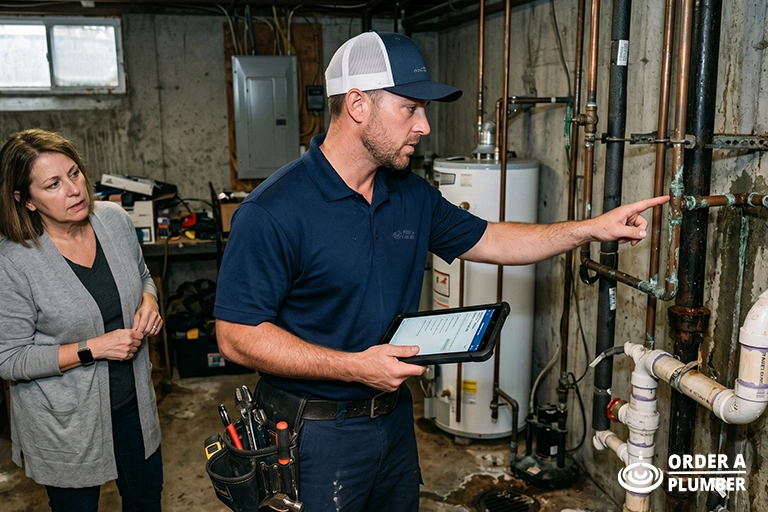
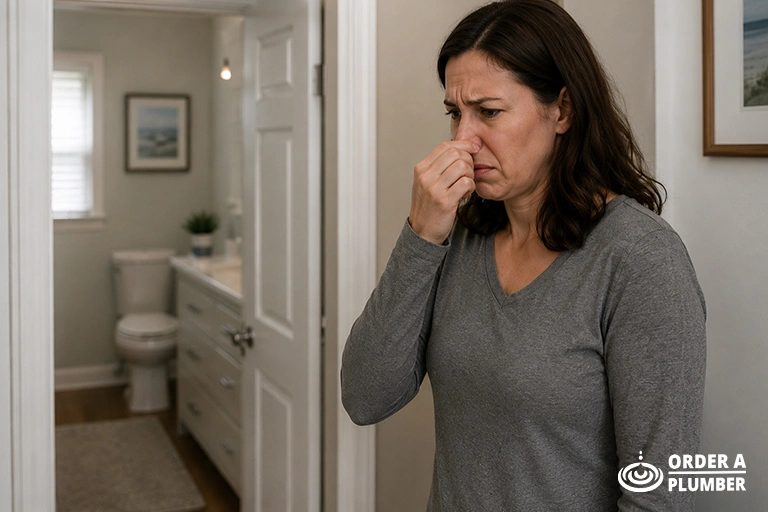
A strong sewer smell inside your home is never something to ignore. That unpleasant odor can make your living space uncomfortable and may also point to hidden plumbing problems that need attention. In many cases, sewer odors are caused by issues within the
drainage or venting system, and if left untreated, they can lead to bigger plumbing repairs over time.
Understanding the common causes of sewer smells in the house can help homeowners identify problems early and take the right steps to fix them. Professional plumbing services from Order A Plumber can help inspect the system, locate the source of the odor, and provide long-term plumbing solutions before the issue becomes more serious.
Why Sewer Smells in the House Happen Inside a Home
Your plumbing system is designed to safely carry wastewater and sewer gases away from your home. Pipes, drain traps, and vent systems all work together to block unpleasant odors from entering indoor spaces.
When one part of the system stops working properly, sewer gas odors can escape through drains, walls, or plumbing fixtures.
1. Dry P-Traps
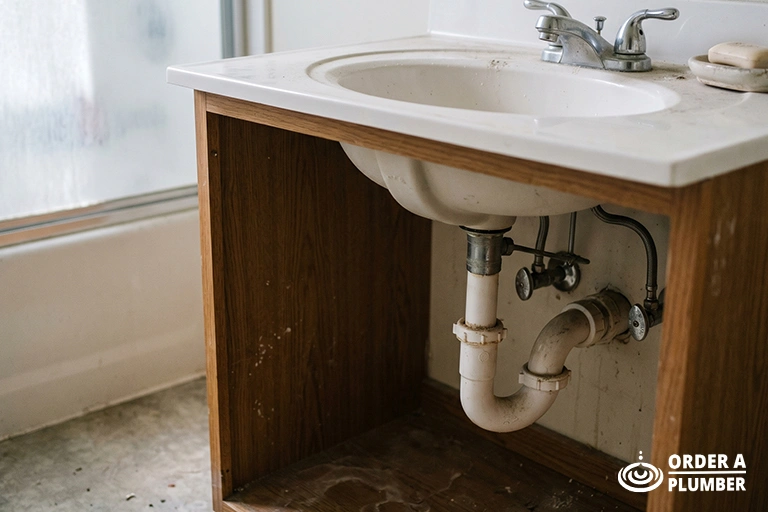
One of the most common causes of a sewer smell from drains is a dry P-trap. A P-trap is the curved section of pipe located under sinks, tubs, showers, and floor drains. It holds a small amount of water that acts as a barrier against sewer gases.
If a drain is rarely used, the water inside the trap can evaporate, allowing odors to enter the house.
Common locations include:
- Guest bathrooms
- Basement floor drains
- Laundry room drains
- Unused showers
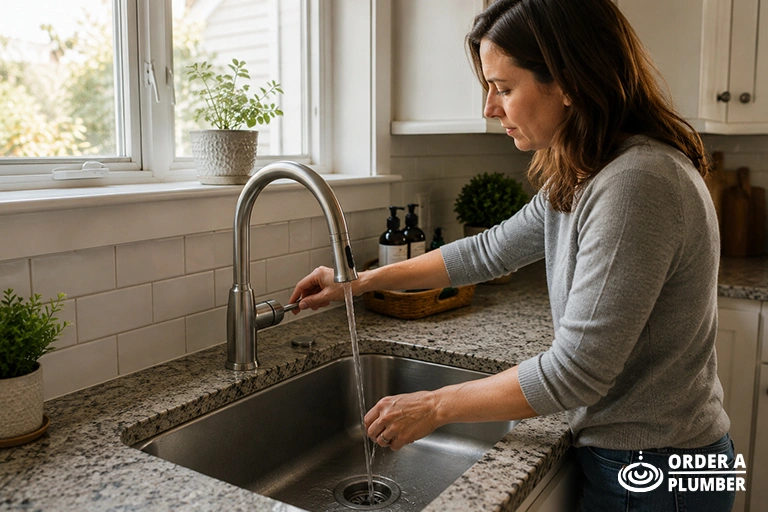
Running water into the drain for a few seconds may temporarily solve the issue.
2. Clogged or Dirty Drains
Over time, drains can collect:
- Soap residue
- Grease
- Food waste
- Hair
- Bacteria buildup
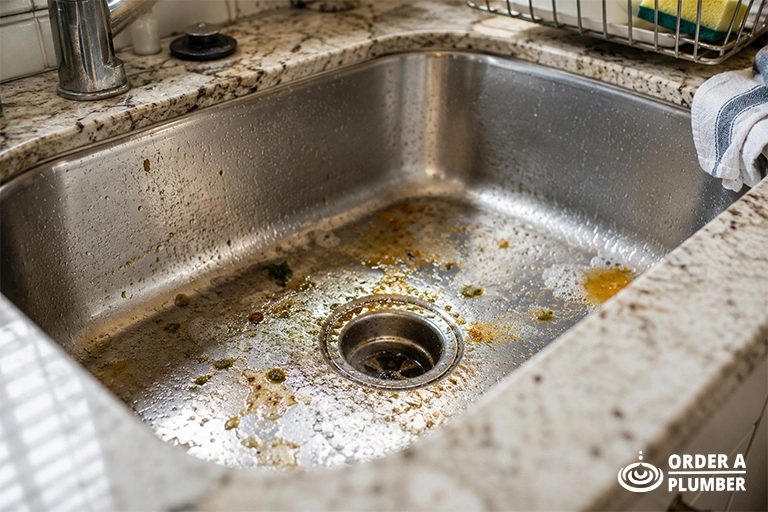
This buildup can create foul smells that resemble sewer odors. In kitchens, grease and food particles are often the main cause, while bathroom drains commonly collect hair and soap scum.
Regular drain cleaning can help prevent these odors from developing.
If the smell continues despite cleaning, professional drain inspection services fromOrder A Plumber can help identify deeper plumbing issues.
3. Broken or Cracked Sewer Pipes
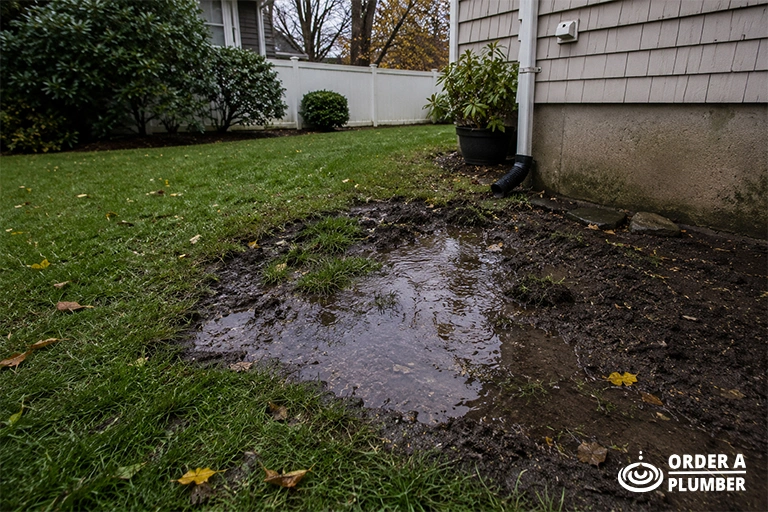
A damaged sewer line is a more serious reason for sewer gas smells inside the home. Cracks, loose connections, or broken pipes can allow odors to escape behind walls, under floors, or around the foundation.
Warning signs may include:
- Persistent sewage odors
- Wet spots in the yard
- Slow drains throughout the house
- Mold or mildew growth
- Gurgling toilets or drains
Sewer pipe damage should be inspected quickly to avoid water damage and contamination problems.
4. Blocked Plumbing Vent Pipes
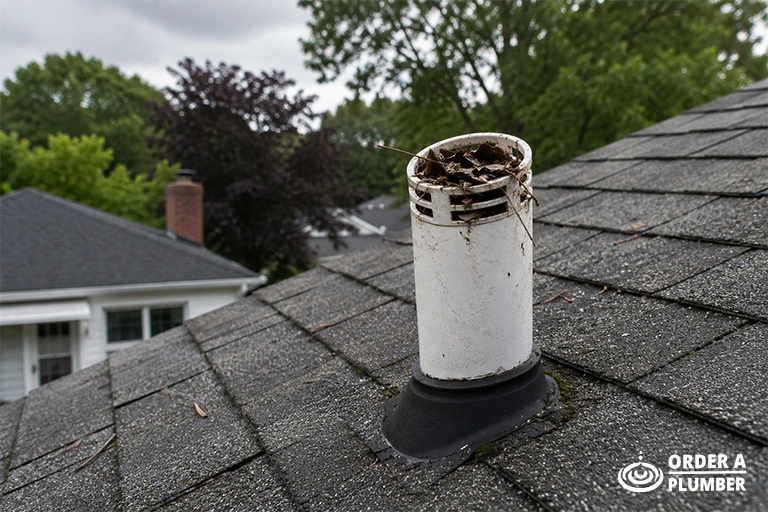
Your home’s plumbing system includes vent pipes that usually exit through the roof. These vents help regulate air pressure and safely direct sewer gases outside.
If a vent pipe becomes blocked by:
- Leaves
- Bird nests
- Debris
- Ice buildup
the sewer gases may get pushed back into the home through nearby drains.
Blocked vents can also cause:
- Slow draining fixtures
- Bubbling toilets
- Gurgling sounds
Professional plumbers can safely inspect and clear blocked vent systems.
5. Toilet Seal Problems
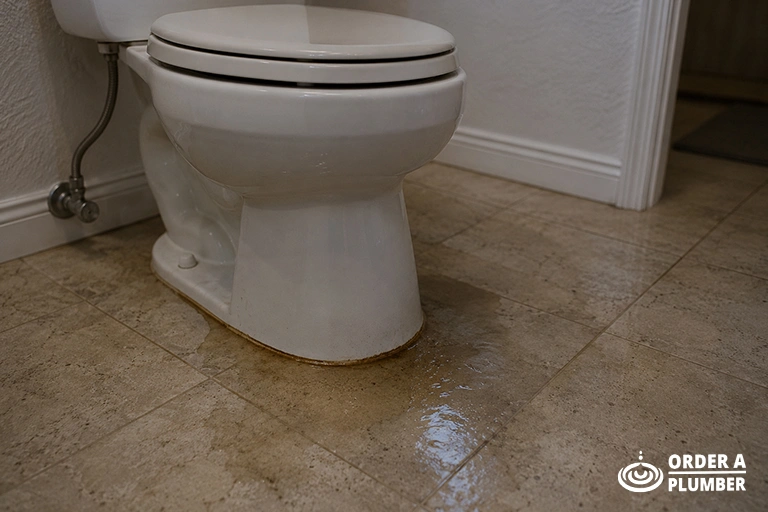
A toilet is connected to the drain system with a wax ring seal at its base. If the seal becomes damaged or loose, sewer odors may leak out around the toilet.
Common signs include:
- Sewer smell near the toilet
- Water around the toilet base
- Toilet rocking slightly when used
Replacing the wax ring is usually necessary to stop the odor and prevent leaks.
6. Sewer Line Backups
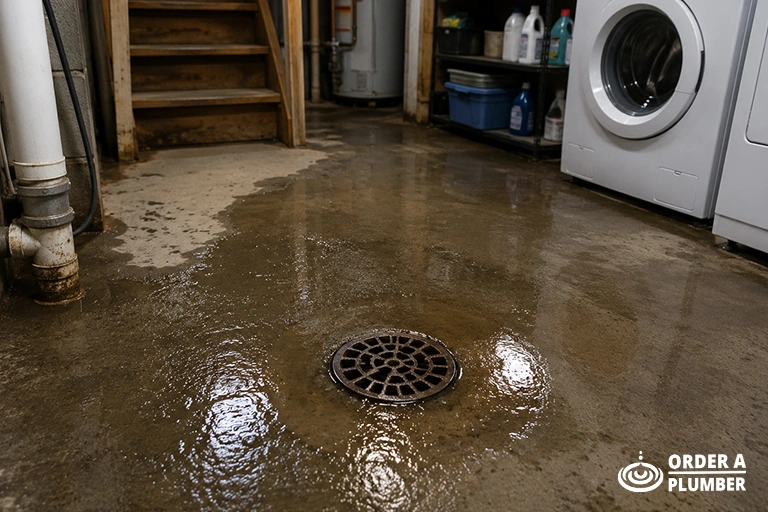
A main sewer line backup is one of the most serious plumbing problems that can create strong odors in the home. Tree roots, grease buildup, pipe collapses, or clogs can block wastewater flow and force sewer gases back into the plumbing system.
Possible signs include:
- Multiple drains backing up
- Water pooling around floor drains
- Strong sewage smells throughout the house
- Toilets overflowing unexpectedly
Professional sewer line services from Order A Plumber can help diagnose and resolve sewer backups before major damage occurs.
7. Mold and Bacteria Around Plumbing Areas
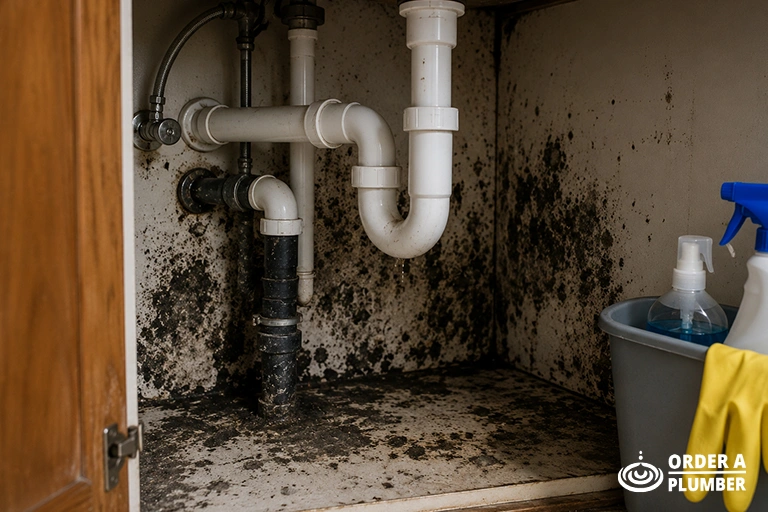
Sometimes the smell may not come directly from sewer gas but from bacteria or mold growing near damp plumbing areas.
Leaks under sinks, behind walls, or around drains can create moisture problems that lead to unpleasant odors.
Common problem areas include:
- Under kitchen sinks
- Around bathroom plumbing
- Near water heaters
- Basement plumbing systems
Fixing leaks quickly can help prevent both odors and structural damage.
Why Sewer Smells Should Not Be Ignored
Even if the smell seems minor at first, persistent plumbing odors may indicate hidden issues inside the drainage system. Sewer gases can contain harmful substances that may affect indoor air quality.
Ignoring the problem could eventually lead to:
- Pipe damage
- Water leaks
- Mold growth
- Drainage backups
- Expensive plumbing repairs
Early inspection and repair are often much more affordable than dealing with major sewer line damage later.
How Professional Plumbers Help Find the Source
Finding the exact source of a sewer smell is not always easy because odors can travel through walls, vents, and pipes.
Professional plumbers may use:
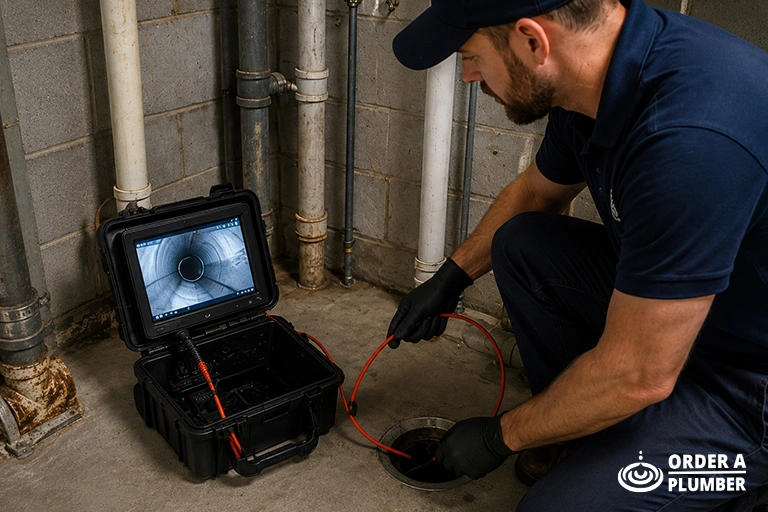
- Video camera inspections
- Drain testing
- Smoke testing
- Leak detection equipment
Experienced teams from Order A Plumber can identify the root cause accurately and recommend the best repair solution for your plumbing system.
Tips to Prevent Sewer Smells in Your Home
Homeowners can reduce the risk of sewer odors by:
- Running water in unused drains regularly
- Avoiding grease buildup in kitchen sinks
- Scheduling routine drain cleaning
- Fixing leaks quickly
- Having sewer lines inspected periodically
Preventive plumbing maintenance can help keep your drainage system working properly year-round.
Final Thoughts
Persistent sewer smells in your house are often a warning sign that something is wrong within the plumbing or drainage system. Problems such as dry P-traps, clogged drains, broken sewer pipes, blocked vent lines, or sewer backups can all allow unpleasant odors to enter the home.
Addressing these issues early can help prevent costly plumbing repairs and protect indoor air quality. Whether the problem is minor or more serious, professional plumbing experts at Order A Plumber can help locate the source of the odor and restore a cleaner, safer plumbing system for your home.
FAQ for What Causes Sewer Smells in Your House? :
What causes a sewer smell in the house?
Dry drains, clogged pipes, broken sewer lines, or blocked vent pipes can cause sewer smells in the house.
What do plumbing issues smell like?
Plumbing problems often smell like sewage, rotten eggs, mold, or musty odors.
What to do when your pipes smell like sewage?
Run water in drains, clean the pipes, check for clogs, and call a plumber if the smell continues.
What do plumbers recommend for smelly drains?
Plumbers recommend regular drain cleaning, flushing drains with hot water, and fixing clogs or leaks quickly