
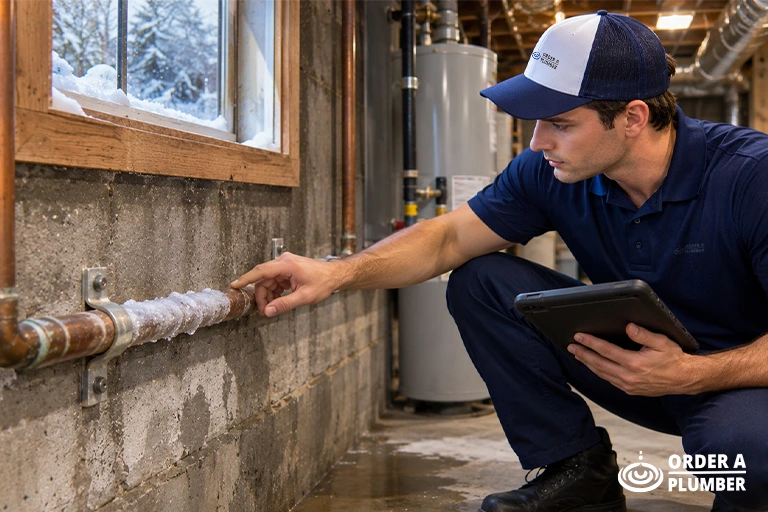
Winter temperatures can create serious plumbing problems for homeowners across Long Island. When water inside a pipe freezes, it expands and puts pressure on the pipe walls. This pressure can cause cracks, leaks, or complete pipe bursts. Understanding frozen pipe repair costs can help homeowners prepare for unexpected plumbing expenses and act before minor problems lead to expensive water damage.
Several factors affect the final repair bill, including the frozen pipe’s location, the extent of the damage, accessibility, and whether additional plumbing work is needed. Knowing what to expect can help you make informed decisions during the colder months.
What Affects Frozen Pipe Repair Cost?
There is no single price for every frozen pipe problem. A plumber must assess the situation before providing an accurate estimate. Several factors can influence the total cost.
1. Location of the frozen pipe
Pipes under sinks or inside accessible cabinets are often easier to inspect and repair. However, pipes behind walls, under floors, in crawl spaces, or in unheated areas may require extra labor to access safely.
2. Extent of pipe damage
If the pipe is frozen but remains intact, thawing it safely may be sufficient. If freezing has caused a crack or burst, the plumber may need to replace the damaged section, repair connections, and test the system for leaks.
3. Emergency service requirements
A frozen pipe that bursts during the night, on a weekend, or during a holiday may require emergency plumbing service. Availability, timing, and repair complexity can affect the final estimate.
4. Water damage and additional repairs
A burst pipe can damage drywall, flooring, insulation, cabinets, and other parts of a home. These restoration expenses are separate from plumbing repairs and can significantly increase the overall cost.
Warning Signs of Frozen Pipes
Recognizing the early signs of freezing can help prevent a plumbing emergency. Watch for these common symptoms during periods of very cold weather:
- Little or no water coming from a faucet.
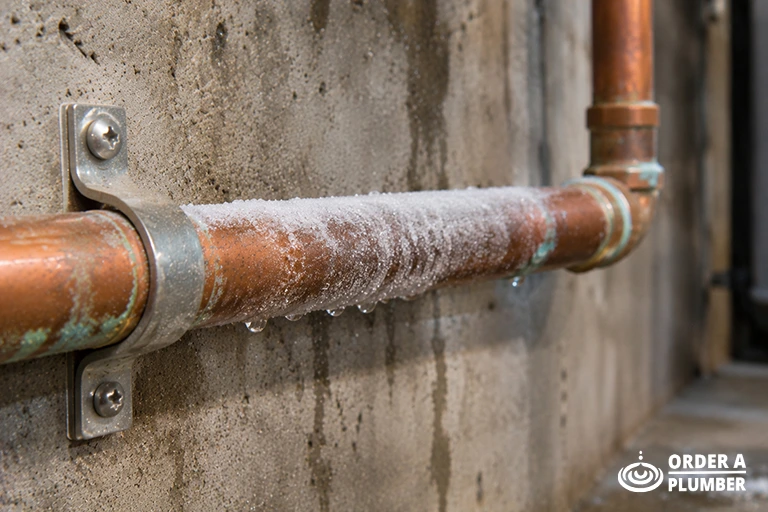
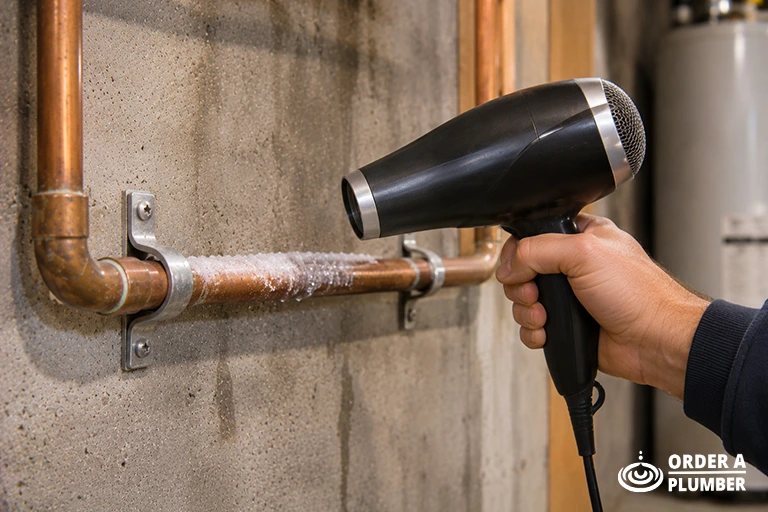
- Frost or visible ice on an exposed pipe.
- Unusual odors coming from drains or faucets.
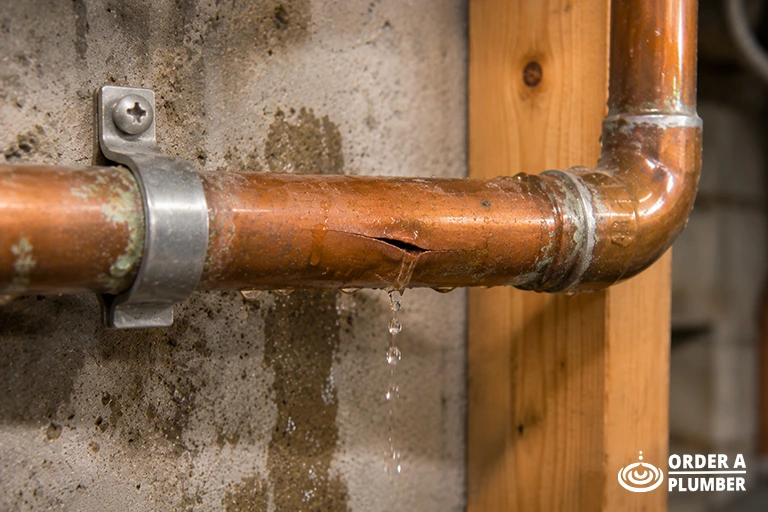
- Bulging pipes or visible cracks.
- Damp patches, water stains, or unexpected leaks near plumbing lines.
Not every frozen pipe shows visible warning signs. If several faucets suddenly have reduced water flow during a cold spell, a frozen section of the plumbing system may be responsible.
How to Reduce Frozen Pipe Repair Cost
Preventive steps can help reduce the likelihood of expensive winter plumbing repairs.
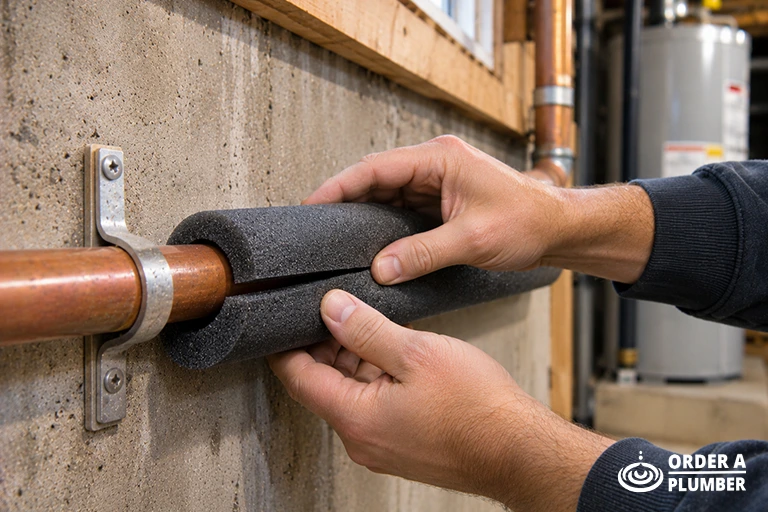
Insulate exposed pipes: Pipes in basements, crawl spaces, garages, and other unheated areas are particularly vulnerable. Appropriate pipe insulation helps protect them from cold temperatures.
Keep indoor temperatures consistent: Maintain adequate heat throughout the home, including rooms containing plumbing. Avoid turning off the heating system completely when leaving the property in winter.
Protect pipes during extreme cold: Open cabinet doors beneath kitchen and bathroom sinks when appropriate, particularly when plumbing runs along exterior walls. This lets warmer indoor air circulate the pipes.
Address existing plumbing issues: Repair dripping faucets, damaged insulation, and other plumbing problems before temperatures fall. Regular inspections can help identify vulnerable sections.
Know where your main water shutoff is located: If a pipe bursts, shutting off the water supply promptly can limit flooding and property damage.
What to Do When a Pipe Freezes
If you suspect a frozen pipe, turn on the affected faucet slightly to check whether water flows. If the pipe is accessible and shows no signs of damage, gently warm it with warm air. Never use an open flame, blowtorch, or other direct high heat to thaw plumbing.
If a pipe has burst, shut off the main water supply if it is safe to do so. Keep away from water near electrical outlets or equipment, and contact a qualified plumber. Do not attempt to force water through a frozen line.
A professional can locate the frozen section, assess the pipe’s condition, thaw it safely when appropriate, and repair any damage. Getting help early can prevent a small plumbing issue from becoming a larger emergency.
When Should You Call a Professional Plumber?
Call a plumber if the pipe remains frozen, you cannot locate the affected section, or you notice leaks, cracks, or signs of a burst pipe. Professional help is especially important when pipes are hidden inside walls or in hard-to-reach areas.
Understanding frozen pipe repair costs is useful, but delaying repairs can lead to more extensive damage. A qualified plumber can inspect the system, explain the required work, and provide an estimate before proceeding.
Final Thoughts
Preparing your plumbing before winter can help protect your home from frozen pipes and unexpected water damage. Insulation, consistent heating, and early attention to warning signs can make a meaningful difference.
If you experience frozen or burst pipes, Order A Plumber can help homeowners in Nassau County, Suffolk County, and the East End assess their plumbing problems and determine the appropriate repairs. Contact Order A Plumber to discuss your plumbing concerns and request an estimate before the damage spreads.
FAQ for Frozen Pipe Repair Cost
1. What determines the cost of repairing a frozen pipe?
The cost depends on the pipe’s location, the extent of the damage, accessibility, labor requirements, and whether replacement or additional repairs are necessary.
2. Can frozen pipes thaw without professional help?
Some accessible pipes may thaw safely with gentle warming, provided they are intact. Professionals should assess hidden, persistently frozen, or damaged pipes.
3. How can I prevent pipes from freezing in winter?
Insulate exposed pipes, keep indoor heating consistent, seal drafts near plumbing, and address vulnerable areas before temperatures drop.
4. Should I turn off the water if a frozen pipe bursts?
Yes. If it is safe, shut off the main water supply promptly and contact a plumber to limit further damage.