
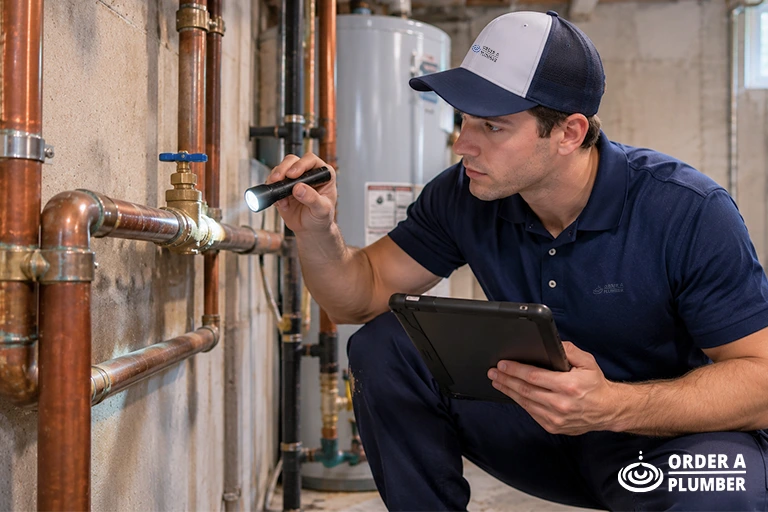
Plumbing problems can happen without warning, from a dripping faucet to a leaking pipe or a water heater that stops producing hot water. Before scheduling a repair, most homeowners want to understand the potential expense. Plumber costs on Long Island depend on the type of repair, the time required, replacement parts, and the condition of the existing plumbing system.
Knowing what influences plumbing prices can help you prepare for a service visit, ask the right questions, and make informed decisions about maintaining your home’s plumbing.
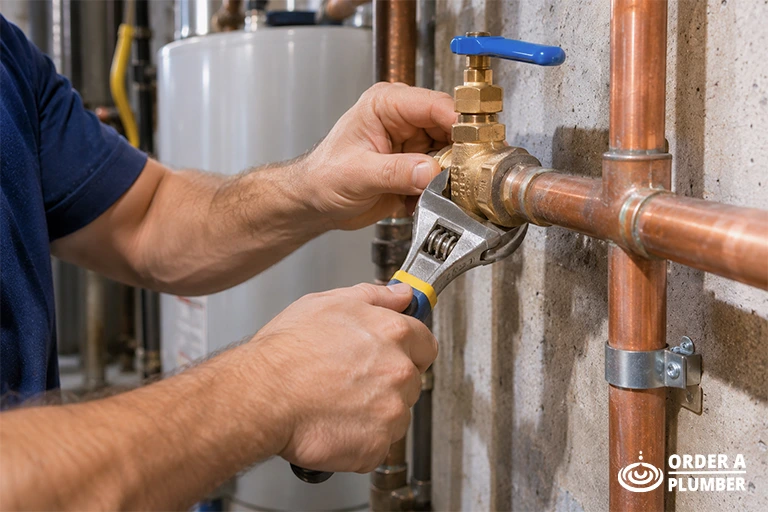
What Affects Plumbing Repair Costs?
Every plumbing job is different. A straightforward repair may require only a replacement component, while a more complicated issue can involve diagnostic testing, specialized equipment, or additional labor.
1. Type of Plumbing Problem
The nature of the problem plays an important role in determining the final price. Fixing a loose faucet connection is generally less involved than repairing a damaged pipe hidden behind a wall. Similarly, a minor drain blockage may be easier to clear than a recurring clog caused by a deeper obstruction.
A professional assessment helps identify the cause and determine the right repair.
2. Labor and Time Required
Some plumbing repairs can be completed during a single visit, while others require several hours or additional work. The time involved depends on the complexity of the issue, the accessibility of the affected area, and whether replacement parts are readily available.
When requesting an estimate, ask whether labor charges are hourly or based on the entire job.
3. Parts and Materials
Replacement parts vary in price depending on their size, material, quality, and compatibility with your plumbing system. Installing a new faucet, replacing a toilet component, or fitting a water heater may involve different materials and installation requirements.
Ask your plumber which parts are included in the estimate and whether alternative options are available.
4. Accessibility and Urgency
Pipes inside walls, beneath floors, or in tight spaces may take longer to access. Plumbing problems that need immediate attention may also involve different scheduling or emergency service charges.
If you are concerned about the plumber cost on Long Island, ask about diagnostic fees, labor, materials, and any additional charges before approving the work.
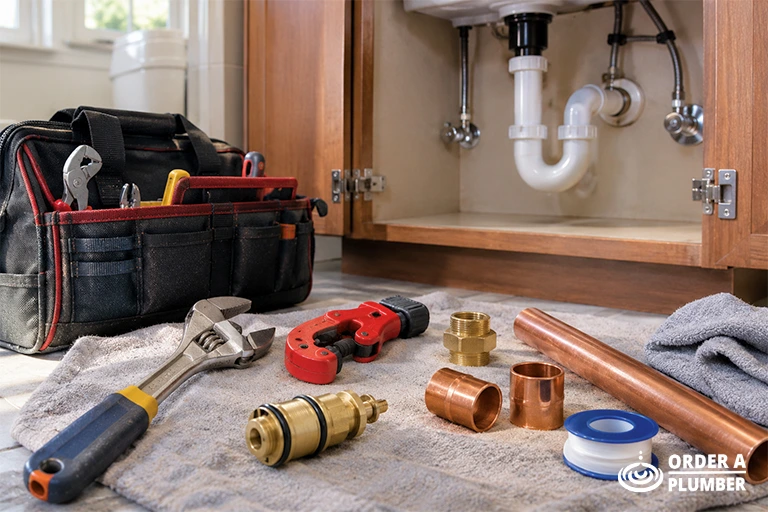
How Much Do Common Plumbing Services Cost?
The total cost depends on the specific service and the work required at your property. Common plumbing services include:
- Drain cleaning: Pricing depends on the location and severity of the blockage and the equipment needed to clear it.
- Leak detection: Costs vary based on the leak’s location, the detection method, and whether additional repairs are needed.
- Faucet and fixture installation: The price depends on the fixture, existing connections, and installation complexity.
- Water heater repair or replacement: Factors include the heater type, replacement parts, capacity, and installation requirements.
- Boiler repair: The final price depends on the system, the faulty component, and the extent of the repair.
- Pipe repair and repiping: Costs depend on the damaged section, pipe materials, accessibility, and the amount of piping involved.
Because each property has different requirements, requesting an estimate for your specific issue is the best way to understand the expected expense.
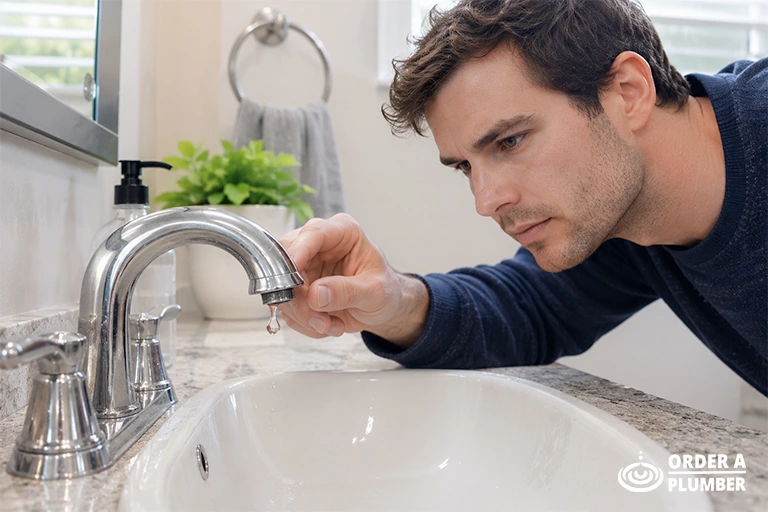
How Can You Avoid Unexpected Plumbing Expenses?
Although you can’t prevent every plumbing problem, regular maintenance and timely repairs can help homeowners manage costs.
Schedule repairs promptly. A small leak can damage surrounding materials if ignored. Addressing plumbing concerns early may prevent more extensive repairs.
Ask for a detailed estimate. Understand what the quoted price covers, including labor, parts, diagnostic fees, and any additional work that may be necessary.
Compare the scope of work. When reviewing multiple estimates, make sure each plumber is quoting for the same repair and comparable materials.
Maintain your plumbing fixtures. Check for dripping faucets, running toilets, slow drains, and visible pipe leaks. Routine attention can help identify problems before they become more disruptive.
Ask about repair and replacement options. Depending on a fixture or appliance’s condition, repair may be practical, while replacement may make more sense for an aging or repeatedly failing unit.
These steps can help you evaluate plumber costs on Long Island and choose a solution that fits your home’s needs.
When Should You Call a Professional Plumber?
Some plumbing issues need professional attention to prevent property damage or restore normal operation. Call a plumber if you notice recurring drain backups, unexplained changes in water pressure, persistent leaks, unusual water heater noises, or a boiler that isn’t heating properly.
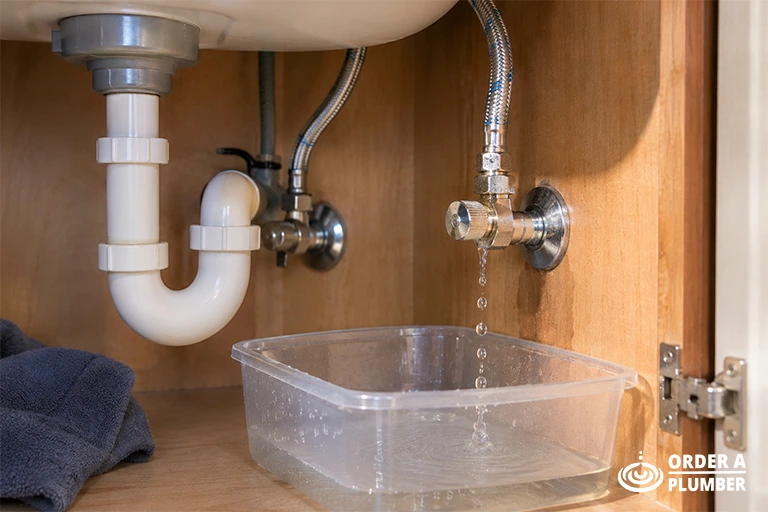
For an active water leak, shut off the appropriate water supply if it is safe to do so. If you suspect a gas leak, leave the building and contact the gas utility or emergency services from a safe location.
A professional assessment can help identify the underlying cause and determine which repairs are necessary.
Contact Order A Plumber for an Estimate
Understanding the plumber cost on Long Island starts with knowing what needs repair and what the job involves. Whether you need drain cleaning, leak detection, fixture installation, water heater service, boiler repairs, or pipe work, an accurate estimate helps you plan accordingly.
Order A Plumber serves homeowners across Nassau County, Suffolk County, and the East End. Our plumbing services cover a range of household needs, from routine repairs to complex system issues.
Contact Order A Plumber to discuss your plumbing concerns and request an estimate based on your home’s needs.
FAQ for Plumber Cost on Long Island?
What determines the cost of hiring a plumber?
The price depends on the problem, labor, replacement parts, accessibility, and whether the job requires specialized equipment or urgent service.
Do plumbers charge for estimates?
Policies vary by provider and job type. Ask whether an estimate or diagnostic visit carries a fee before scheduling an appointment.
Is emergency plumbing more expensive?
Emergency or after-hours appointments may involve additional charges. Confirm the pricing arrangements when contacting your plumbing provider.
How can I prepare for a plumbing service visit?
Describe the problem, explain when it started, and mention any recurring symptoms. Ask about the estimate, applicable fees, and the work included before authorizing repairs.