
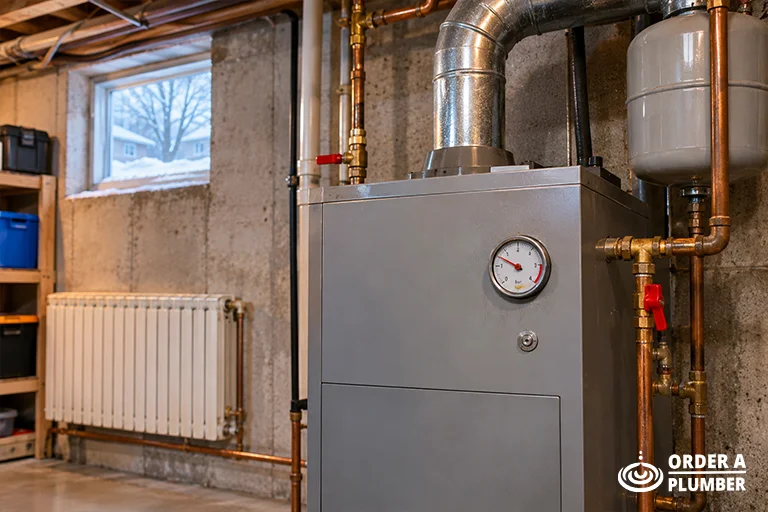
As temperatures drop across Long Island, homeowners depend on their boilers to keep their homes warm and comfortable. However, a boiler that repeatedly loses pressure can affect heating performance and leave certain rooms colder than others. The problem may start with a minor leak or a worn component, but ignoring it can lead to unexpected heating interruptions during the coldest months.
Understanding why your boiler keeps losing pressure in winter can help you recognize early warning signs and arrange the right repairs. From damaged pipe connections to expansion vessel problems, several issues can affect your heating system’s pressure.
Table of Contents
- What Does Low Boiler Pressure Mean?
- 4 Common Reasons Your Boiler Keeps Losing Pressure
- Leaks in Pipes or Radiator Connections
- A Faulty Expansion Vessel
- A Damaged Pressure Relief Valve
- Recently Bled Radiators
- Warning Signs Your Boiler Needs Attention
- What Should You Do If Your Boiler Loses Pressure in Winter?
- How Can You Prevent Boiler Pressure Problems?
- Final Thoughts
- Frequently Asked Questions
What Does Low Boiler Pressure Mean?
A boiler uses pressurized water to circulate heat through radiators or other heating components. Most residential systems operate at approximately 1 to 2 bar when cold, although the recommended range depends on the boiler model and manufacturer.
When pressure falls below the recommended level, the boiler may struggle to circulate hot water. Some systems display a warning message or automatically shut down to prevent damage.
If you notice your boiler losing pressure in winter, check the pressure gauge and identify the underlying problem first.
4 Common Reasons Your Boiler Keeps Losing Pressure
1. Leaks in Pipes or Radiator Connections
Small leaks are among the most common causes of pressure loss. Water can escape through damaged pipes, loose joints, radiator valves, or connections around the heating system.
Look for damp patches, water stains, corrosion, or moisture around accessible plumbing connections. Even a small leak can gradually reduce pressure.
If you suspect a hidden leak, professional leak detection services can help locate the problem before it causes further damage.

2. A Faulty Expansion Vessel
The expansion vessel controls pressure changes as water heats up and expands inside the system. It contains an internal diaphragm that separates water from an air chamber.
If the diaphragm becomes damaged or the vessel loses its air charge, boiler pressure may rise when the system heats and drop when it cools. This can cause repeated pressure problems.
A qualified technician can inspect the expansion vessel and determine whether it needs servicing or replacement.

3. A Damaged Pressure Relief Valve
The pressure relief valve releases excess pressure and protects the boiler from unsafe operating conditions.
If the valve becomes faulty or fails to close properly, water may escape through the discharge pipe. You might notice dripping water outside your home near the boiler’s discharge outlet.
A professional inspection can determine whether the valve is faulty or if the issue is pressure-related.

4. Recently Bled Radiators
Radiators sometimes collect trapped air, which can prevent them from heating evenly. Bleeding them releases the trapped air, but it can also cause a small amount of water loss.
As a result, the boiler pressure may decrease after radiator maintenance. Follow the manufacturer’s instructions when checking or adjusting the pressure. If it continues dropping, another underlying issue may be responsible.

Warning Signs Your Boiler Needs Attention
Apart from a low-pressure reading, there are several signs that your heating system may need professional attention:
- Radiators don’t heat evenly throughout the house.
- The boiler frequently displays a low-pressure warning.
- Heating stops unexpectedly.
- You notice dripping water around pipes or radiator valves.
- The boiler pressure repeatedly drops after you adjust it.
- Some rooms stay colder even when the heating is on.
Don’t ignore these symptoms, especially when outdoor temperatures are very low.
What Should You Do If Your Boiler Loses Pressure in Winter?
If your boiler is losing pressure in winter, start by checking the pressure gauge and comparing its reading with the manufacturer’s recommended range.
Inspect accessible pipes and radiator connections for visible leaks. If your boiler manual explains how to repressurize the system, follow those instructions carefully. Never attempt repairs on internal boiler components yourself.
Avoid repeatedly adding water without identifying the cause of the pressure loss. Frequent refilling can introduce fresh oxygen into the heating system, which may contribute to corrosion.
If the pressure continues dropping, the boiler shuts down, or you notice leaking water, contact a qualified plumbing and heating professional.

How Can You Prevent Boiler Pressure Problems?
Regular maintenance can help reduce the risk of unexpected heating problems during winter.
- Schedule a professional boiler inspection before the heating season.
- Check the pressure gauge according to the manufacturer’s recommendations.
- Repair leaking pipes and radiator connections promptly.
- Have the expansion vessel and pressure relief valve inspected.
- Keep exposed heating pipes properly insulated.
- Avoid unnecessary adjustments to the boiler pressure.
For additional guidance, read our related article on boiler maintenance before winter to learn how regular servicing can help maintain heating system performance.
Final Thoughts
A boiler that repeatedly loses pressure can affect your home’s comfort and indicate an underlying plumbing or heating problem. Common causes include leaking pipes, faulty expansion vessels, and damaged pressure relief valves.
If your boiler is losing pressure in winter, a professional inspection can help identify the cause and prevent further heating issues.
Order A Plumber provides plumbing and heating services throughout Nassau County, Suffolk County, and the East End. Contact our team to discuss your boiler concerns and schedule an inspection to help keep your home comfortable throughout the colder months.
FAQ for Why Does Your Boiler Keep Losing Pressure in Winter
1. Is it normal for a boiler to lose pressure in winter?
Small pressure fluctuations as the system heats and cools can be normal. However, repeated or significant pressure loss may indicate a leak or faulty component.
2. How often should I refill my boiler?
A properly functioning boiler should not require frequent refilling. If you regularly need to add water, have a professional inspect the system for leaks or component problems.
3. Can low boiler pressure stop the heating system?
Yes. Many modern boilers automatically shut down when pressure falls below the manufacturer’s recommended operating range.
4. Can I fix low boiler pressure myself?
Some boilers let homeowners safely restore pressure by following the manufacturer’s instructions. However, recurring pressure loss, visible leaks, and faulty components require professional attention.